JOINT ELECTRONICS CX-4721-VRC Cable Military Radios Nos CX-4721/VRC 2FT6IN CX-13303/VRC AN/VRC-12 RT-524/VRC
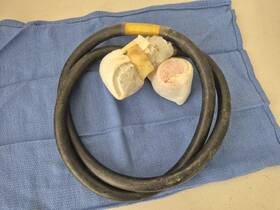
( Brand: Joint Electronics ), ( Manufacturer Part Number: CX-4721/VRC ), ( Type: Power Cable ), ( Cable Length: 2 Ft 6 In )
Review JOINT ELECTRONICS Cx-4721/vrc 2ft6in Cx-13303/vrc Cable Foot An/vrc-12 Rt-524/vrc Military Radios Nos
The **CX-4721/VRC 2ft 6in CX-13303/VRC Cable, AN/VRC-12, and RT-524/VRC Military Radios** represent a critical and highly specialized interconnection solution designed for the robust, secure, and reliable communication needs of modern military and tactical operations. This meticulously engineered cable is specifically tailored to facilitate seamless connectivity between the **AN/VRC-12** and **RT-524/VRC** series of military radios, which are renowned for their durability, encryption capabilities, and operational resilience in harsh environments. The **CX-13303/VRC** cable, with its **2 feet 6 inches (26 inches) length**, strikes a balance between flexibility and stability, ensuring that operators can maintain uninterrupted communication without the constraints of overly rigid or excessively long connections. Constructed from high-grade, military-grade materials, this cable is built to withstand extreme temperatures, abrasion, moisture, and electromagnetic interference all while maintaining signal integrity and minimizing latency. The **CX-4721/VRC** connector at each end is designed to provide a secure, weatherproof interface, ensuring that the connection remains stable even in the most demanding field conditions, such as deserts, jungles, or arctic environments. These radios and their associated cabling are integral components of secure voice and data transmission systems, often employed in command-and-control operations, special forces missions, and tactical communications networks. The **AN/VRC-12** and **RT-524/VRC** radios themselves are engineered for portability and ruggedness, featuring encrypted communication protocols, multiple frequency bands, and robust construction to endure the rigors of military deployment. Whether deployed in a static command post or carried by a soldier in a high-mobility environment, this cable and radio combination ensures that critical information is transmitted with the highest level of security and reliability. For military units, law enforcement agencies, or tactical teams requiring uncompromising communication solutions, this interconnection system exemplifies the precision and engineering excellence demanded by modern operational requirements.
### **Pros and Cons of Buying Used Military Radios (AN/VRC-2, AN/VRC-12, RT-524/VRC, etc.)**
#### **Pros**
1. **Reliability and Durability** Military radios are built to withstand harsh conditions, including extreme temperatures, shock, and vibration. They are designed for long-term field use, often exceeding commercial-grade equipment in ruggedness.
2. **Proven Performance** These radios have been extensively tested and used in military, emergency response, and government applications. Their performance in critical situations is well-documented.
3. **Compatibility with Military and Government Networks** If you operate in a military, law enforcement, or defense-related environment, these radios will integrate seamlessly with existing secure communication systems.
4. **Resale and Trade-In Value** Due to their specialized nature, well-maintained military radios retain value and can be resold or traded in at a reasonable price.
5. **Modular and Upgradable** Many of these radios support upgrades to newer firmware, encryption standards, or additional frequency ranges, extending their useful life.
6. **Availability of Parts and Support** Since they are still in use by military and government agencies, spare parts, manuals, and technical support may be more accessible than for discontinued commercial models.
7. **Long-Term Cost Efficiency** While the initial purchase price may be high, the longevity and reduced maintenance costs (compared to commercial radios) can make them cost-effective over time.
8. **Secure and Encrypted Communication** Military radios often include robust encryption (e.g., STU-III, SINCGARS, or modern encryption modules), which is essential for sensitive operations.
9. **Off-Grid and Low-Power Operation** Many military radios are designed to operate on battery power or in remote locations where infrastructure is unreliable.
10. **Legacy System Integration** If your organization relies on older military networks (e.g., HF, VHF/UHF, or satellite links), these radios will work with existing infrastructure without requiring a full upgrade.
---
#### **Cons**
1. **High Initial Cost** Used military radios can be expensive, especially if they are in good condition or come with accessories (e.g., antennas, power supplies, or encryption modules).
2. **Complexity and Steep Learning Curve** Military radios often require specialized training to operate effectively. Menus, encryption settings, and frequency management can be unintuitive for non-technical users.
3. **Maintenance and Repairs** While durable, these radios may require professional servicing for calibration, encryption module replacements, or internal repairs. DIY repairs can be risky due to sensitive electronics.
4. **Limited Commercial Support** Unlike consumer-grade radios, military radios may not have readily available civilian repair shops or user forums. Support often depends on military or government channels.
5. **Obsolescence Risk** Some models (e.g., older VRC series) may lack support for modern encryption standards or frequency allocations, requiring costly upgrades to remain compliant.
6. **Physical Size and Portability** Many military radios are larger and heavier than commercial handheld units, which can be a drawback for mobile or field operations.
7. **Regulatory and Export Restrictions** Military radios may be subject to export controls (e.g., ITAR, EAR) if they include encryption or sensitive components. Purchasing or using them without proper authorization can lead to legal issues.
8. **Depreciation Over Time** While they retain value, the market for used military radios can be niche. If you sell them later, the resale value may not cover the original purchase price.
9. **Compatibility Issues with Modern Systems** Some older models may not interoperate with newer digital or software-defined radios (SDRs), requiring additional bridges or adapters.
10. **Training and Certification Requirements** Operating military radios often requires certification, especially for encrypted or secure channels, adding administrative overhead.
---
### **Ending Conclusion**
Buying used military radios like the **AN/VRC-2, AN/VRC-12, or RT-524/VRC** is a viable option for organizations with specific communication needs particularly those in defense, emergency response, or government sectors. Their unmatched reliability, durability, and secure communication capabilities make them ideal for critical applications where commercial radios fall short. However, the trade-offs in cost, complexity, and maintenance must be carefully considered.
If your primary goal is **secure, long-term, and rugged communication** in a controlled environment (e.g., military, law enforcement, or disaster response), these radios are a strong investment. For **general-purpose or commercial use**, however, newer commercial or SDR-based radios may offer better flexibility and lower operational costs.
---
### **Recommendation**
- **Buy if:**- You operate in a **military, government, or high-security environment** where encryption and interoperability with legacy systems are critical.
- You have **access to trained personnel** who can maintain and operate the radios.
- You prioritize **longevity and durability** over modern features like touchscreens or app integration.
- You can **source the radios from reputable dealers** (e.g., military surplus auctions, government surplus sales, or authorized resellers) to ensure authenticity and condition.
- **Avoid if:**- You need **plug-and-play simplicity** or frequent software updates.
- Your budget is limited, as the upfront and maintenance costs can be high.
- You lack **access to technical support or spare parts** outside military channels.
- Your organization is **not subject to export controls**, as improper handling could lead to legal complications.
**Final Suggestion:** If possible, **test the radios in your intended environment** before committing to a purchase. Consider starting with a **single unit or a used example** to assess compatibility with your existing systems before investing in multiple radios. Additionally, consult with **military communications experts or surplus specialists** to ensure you are acquiring a functional and compliant unit.
Details:
Cable is brand new, 4 feet long.
part #: cx4721 prices
- $35.00-$39.00
specifications coaxcabl:
- brand: Joint Electronics
- mpn: Cx-4721/vrc
- type: Power Cable
- cable length: 2 Ft 6 In
shipping coaxcabl:
- cost: $12.99
- transit: 5-11 Days
- service: Economy
- class: Economy
- type: Fixed
seller coaxcabl:
- rating: 99.9%
- # reviews: 17317
- city: El Paso, Texas
returns coaxcabl:
- paid by: Buyer
- method: Money back
- time: 30 Days
- policy: Returns Accepted
general coaxcabl:
- condition: New
- Radio Communication > Parts Accessories > Coax Cables Connectors
payments coaxcabl:
- wallet: Paypal
- other
- credit card: Discover
offer coaxcabl:
- quantity: 1
- options: Ship-to-home
- started: April 10, 2026
- sold: 0
- availability: In Stock
