TWIN 82-5589 Ax Plug Bnc Choice Ant Balanced R391 R390A RG-58
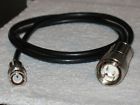
( Brand: Twin ), ( Type: Coaxial Rg58 ), ( Connector A: Amphenol Twin-ax Plug 82-5589-rfx ), ( Connector B: Bnc Male )
Review TWIN ax Plug R390 Bnc Choice Ant Balanced
The Twin-Ax Plug R390A/R390 (82-5589) with BNC RG-58 and Balanced option is a high-performance coaxial cable connector designed for professional use in various applications. This twin-axial cable features a unique design that utilizes two conductors, each with its individual shield, to reduce signal degradation and improve signal quality.
The R390A/R390 connector is a 75 Ohm, RF-type connector, which makes it ideal for use with balanced audio systems and video applications. The connector is made from high-quality materials, including brass and nickel-plated contacts, to ensure durability and reliable performance over time.
The BNC RG-58 coaxial cable that comes with this twin-axial connector is a versatile and reliable choice for a wide range of applications. This cable is made from high-quality RG-58 copper, which is known for its excellent electrical conductivity and low signal loss. The RG-58 cable is also shielded to protect against electromagnetic interference and signal degradation.
The balanced option for this twin-axial connector is an excellent feature for audio applications. By using a balanced signal, the cable is able to cancel out common-mode noise, resulting in a cleaner and more accurate audio signal. This is particularly useful in professional audio applications, where high-quality sound is essential.
Overall, the Twin-Ax Plug R390A/R390 (82-5589) with BNC RG-58 and Balanced option is a high-quality, professional-grade coaxial cable connector that is ideal for use in audio and video applications where signal quality and reliability are critical. Its unique twin-axial design, high-quality materials, and balanced signal option make it a standout choice for any professional or enthusiast looking for the best possible performance from their coaxial cable connections.
Pros of buying a Twin-Ax Plug R390A/R390 (82-5589) with BNC RG-58:1. Improved signal quality: Twin-ax cable provides better performance than coaxial cables due to its separate conductors for the signal and ground, reducing interference and noise.
2. Compatibility: This type of cable is compatible with various devices, including CCTV systems, security cameras, and satellite dishes.
3. Durability: BNC connectors are known for their robustness and reliability, ensuring a secure connection between the cable and the device.
4. Flexibility: The RG-58 cable is lightweight and flexible, making it easy to install and maneuver in tight spaces.
Cons of buying a Twin-Ax Plug R390A/R390 (82-5589) with BNC RG-58:1. Cost: Twin-ax cables are generally more expensive than coaxial cables due to their higher quality materials and construction.
2. Limited length: The RG-58 cable is designed for shorter distances, and using it over long runs may result in signal loss.
3. Connectivity issues: BNC connectors can be challenging to connect and disconnect, especially in tight spaces, which may lead to damage or poor connections.
Conclusion: While the Twin-Ax Plug R390A/R390 (82-5589) with BNC RG-58 offers improved signal quality and durability, its higher cost and limited length may not make it the best option for everyone. If you have a need for a high-performance cable over short distances, this option could be suitable. However, if you require a more cost-effective solution for longer runs, you may want to consider other cable options.
Recommendation: If you're looking for an alternative, consider the RG-6 coaxial cable with F-type connectors. While it may not offer the same performance as the Twin-Ax Plug R390A/R390 (82-5589) with BNC RG-58, it is more cost-effective and suitable for longer runs. Keep in mind that the best choice depends on your specific needs and circumstances.
Details:
The maximum loss without a baling due to a mismatch on an R390A is about. I only use 'clamp style' connectors, unless requested otherwise. The 125 ohm balanced antenna connection on these receivers is designed to work with impedance's of 50 to 200 ohms without much of a mismatch.
A different length of coax since the connector is not 'crimped' and the shield not soldered, they are easily changed or reused. I will connect a 'clamp style' male bnc connector on the other end of the 'clamp style' Twin ax plug using 35 of high quality rg 58 u with copper wire core and copper braided shield. 5 db on the high side.
On the r390 and R391, it would be the top pin.
A different connector on the other end uhf male pl 259 add 2, uhf female so 239 add 3, type n male add 3, other ask. The connector cable shown is specifically made for the R390A, R391, and r390 balanced Twin ax antenna jack connector with 2 female contacts on the receiver. No connector on the other end save custom made cables available. The least insertion loss available today in this type of baling would be about.
If you are using a long or medium length of coax to feed these receivers, you should use the balanced antenna connection low impedance, and not the 'unbalanced' connection which is for a high impedance short antenna connection. The loss is extremely small, so using a baling to overcome the imbalance would introduce more loss than without a baling.
I have constructed this cable to use the Twin ax connector using an amphenol Twin ax plug, rfx or an aim they are the same, by connecting the coax conductor to the pin that goes into the right hand contact on the R390A looking at the rear of the receiver. They do however cost a little more which is included.
part #: 82-5589 prices
- $7.95-$73.99
specifications coaxcabl:
- brand: Twin
- type: Coaxial Rg58
- connector a: Amphenol Twin-ax Plug 82-5589-rfx
- connector b: Bnc Male
Seller:
- zipcode: 95123
- city: San Jose, California
Ratings:
- Hope to deal with you again. Thank you. 04-01-15
- Great Transaction -- Thanks!!! 04-10-15
- A fast shipper and a great communicator. I highly recommend! AAA+++ 04-08-15
- Excellent person to work with. Thanks! 04-10-15
- great buyer 04-06-15
Returns:
- policy: no returns
General:
- Consumer Electronics > Radio Communication > Parts & Accessories > Coax. Cables & Connectors
- condition: New other see details
- in stock: Yes
Shipping:
- type: Flat
- handling: 3 days
- cost: $2.75
Offer:
- Started: April 14, 2015, 7:43 am
- best offer: false
- # bids: 0
- quantity: 7
- # Sold: 0
Payments:
- PayPal
Twin R391 Is Similar To:
- Ug-274a Ug-274a U Amphenol 8x Bnc Coaxial Male Plug Dual Twin Female Jack T Splitter Adapter Hp5 (25.6% similar) 8x bnc coaxial male plug dual Twin female jack tee splutter adapter ug 274A us...(February 15th, 2016)
- Saf-foactw01 Saf Fodu Cable Twin Bnc (25% similar) Safe: FUD cable Twin bnc - DB9 2m CFIP-106...(July 19th, 2018)
- Twm-f-1 Unbranded-generic 1pc Bnc Twin (26.4% similar) Bnc Twin bulkhead mount female connector...(November 3rd, 2017)
- Airvoice 711181796117 General Aviation Ga Plugs To 6 Pin Lemo Headset Adapter Twin-plug Pj-068 Pj (17% similar) 206 inch and .25 jacks to 6 pin Elmo plug...(February 9th, 2026)
